Why Sports Infrastructure Is Essential for Modern Communities
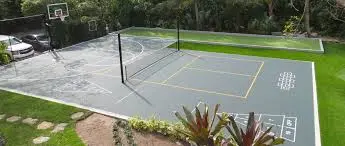
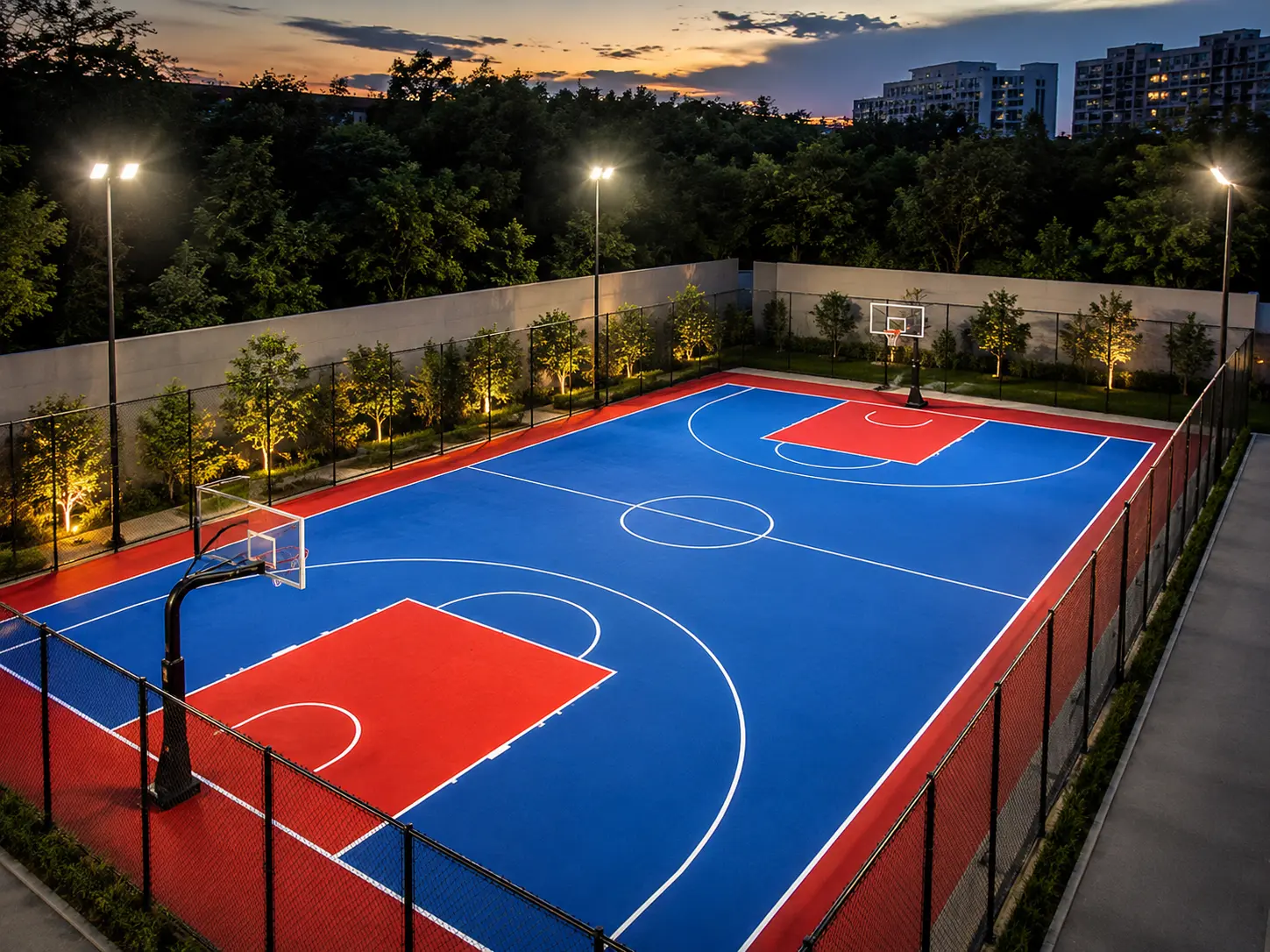
Introduction Modern communities are no longer defined solely by residential buildings, roads, and basic utilities. Today, people seek healthier, more active, and socially connected lifestyles. As a result, sports infrastructure has become one of the most important elements of community development. Whether it’s a residential township, gated community, educational campus, government housing project, smart city development, or mixed-use development, quality sports infrastructure plays a critical role in improving the quality of life for residents. Facilities such as basketball courts, tennis courts, pickleball courts, badminton courts, artificial turf grounds, outdoor gyms, jogging tracks, and multi-sports arenas provide much more than recreational opportunities. They create spaces where people can stay active, build relationships, improve mental well-being, and develop a stronger sense of community. As India continues to urbanize rapidly, sports infrastructure is becoming an essential requirement rather than a luxury. Communities that invest in sports and recreational facilities are creating healthier, happier, and more sustainable living environments. In this article, we’ll explore why sports infrastructure is essential for modern communities and how it contributes to long-term social and economic development. The Changing Definition of Community Living A few decades ago, community development primarily focused on housing, transportation, and public services. While these elements remain important, modern residents expect much more from their living environments. Today’s families look for communities that offer: Safe recreational spaces Fitness and wellness facilities Sports amenities Outdoor gathering areas Children’s play zones Opportunities for social interaction People want communities where they can live, work, exercise, and socialize without constantly traveling long distances. Sports infrastructure plays a central role in meeting these expectations. Promoting Healthier Lifestyles One of the biggest benefits of sports infrastructure is its positive impact on public health. Sedentary lifestyles have become increasingly common due to technology, remote work, and digital entertainment. Lack of physical activity contributes to obesity, cardiovascular disease, diabetes, stress, and various other health issues. Sports facilities encourage residents to stay active by making exercise convenient and accessible. When communities provide facilities such as: Basketball courts Tennis courts Pickleball courts Outdoor fitness zones Walking tracks Artificial turf play areas people are more likely to engage in regular physical activity. This leads to healthier populations and reduced healthcare burdens over time. Building Stronger Social Connections One of the greatest challenges of modern urban life is social isolation. Despite living close to one another, many people rarely interact with their neighbors. Sports infrastructure helps address this problem by creating spaces where people naturally come together. Sports courts and recreational facilities encourage: Team activities Community events Friendly competitions Group fitness sessions Family participation These shared experiences help build stronger relationships and foster a sense of belonging. Communities with active recreational spaces often enjoy higher levels of social engagement and resident satisfaction. Creating Safe Spaces for Children and Youth Children need opportunities to play, explore, and develop physical skills. Unfortunately, many urban areas lack safe outdoor spaces where young people can participate in sports and recreational activities. Modern sports infrastructure provides children with structured environments where they can: Stay physically active Develop coordination Learn teamwork Build confidence Improve social skills Sports facilities also help reduce excessive screen time by encouraging outdoor activity. For families, access to quality sports infrastructure is often a major factor when choosing a residential community. Supporting Mental Health and Well-Being Mental health has become a growing concern across all age groups. Stress, anxiety, and lifestyle-related mental health challenges are increasingly common in urban environments. Sports and physical activity are proven to improve mental well-being by: Reducing stress Improving mood Increasing self-confidence Enhancing focus Promoting emotional resilience Communities that invest in sports infrastructure create opportunities for residents to maintain both physical and mental wellness. The result is a healthier and more balanced community environment. Increasing Property Value and Community Appeal Sports infrastructure is one of the most desirable amenities in modern real estate developments. Homebuyers and investors increasingly prefer projects that offer: Sports courts Outdoor gyms Jogging tracks Clubhouse facilities Recreational spaces These amenities enhance the overall appeal of a development and often contribute to higher property values. For developers, sports infrastructure is no longer just an added feature—it has become a key selling point. Projects with high-quality recreational facilities tend to attract more buyers and achieve better market positioning. Encouraging Active Aging and Senior Wellness Sports infrastructure is not only beneficial for children and young adults. Senior citizens also benefit from access to recreational facilities. Walking tracks, fitness zones, pickleball courts, and low-impact recreational activities help older adults: Maintain mobility Improve cardiovascular health Stay socially connected Enhance overall well-being Communities that support active aging create healthier environments for residents across all generations. Strengthening Community Identity Successful communities often have a strong sense of identity and pride. Sports infrastructure contributes to this by creating shared experiences and common gathering spaces. Community tournaments, sports festivals, wellness programs, and recreational events help residents feel more connected to where they live. These activities strengthen community culture and create lasting memories for residents. Supporting Educational Development Sports facilities are especially important in educational communities and school campuses. Quality sports infrastructure helps students: Improve concentration Develop leadership skills Learn teamwork Build discipline Enhance physical fitness Schools with modern sports facilities often experience higher student engagement and stronger overall development outcomes. This makes sports infrastructure a valuable investment for educational institutions. Aligning with Smart City Development Goals India’s Smart City Mission emphasizes creating sustainable, healthy, and citizen-friendly urban environments. Sports infrastructure aligns perfectly with these objectives by: Promoting wellness Encouraging outdoor activities Improving public spaces Enhancing community engagement Future-ready cities will increasingly integrate sports and recreation into urban planning strategies. The Rise of Multi-Sports Facilities Modern communities are increasingly adopting multi-sports courts because they maximize available space while serving multiple purposes. A single court can accommodate: Basketball Pickleball Volleyball Badminton Recreational activities This flexibility makes multi-sports infrastructure one of the most cost-effective solutions for community development. Why Communities Are Investing in Sports Infrastructure Today Several factors are driving investment in sports facilities: Growing Health Awareness Residents are prioritizing fitness