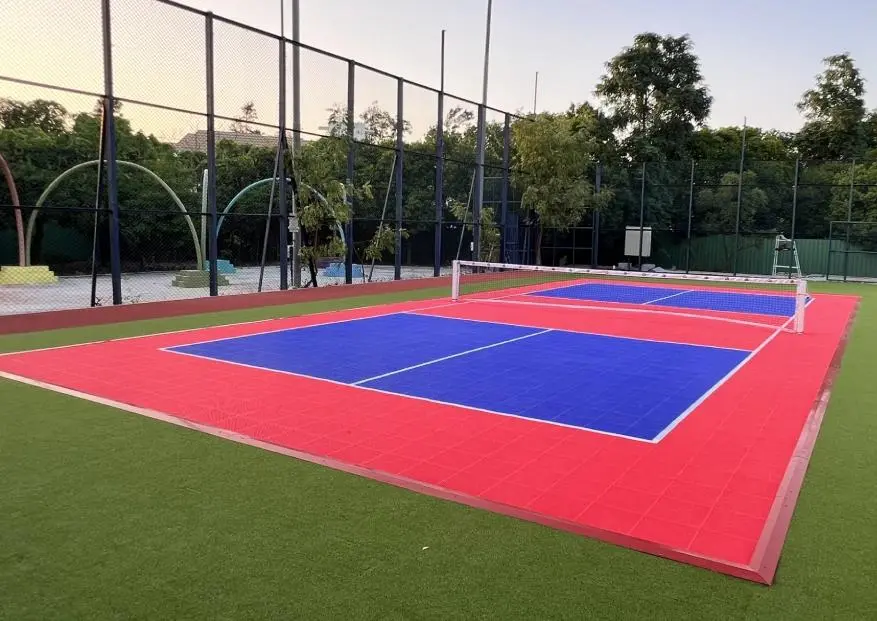
Why Every School Needs a Sports court | Sports Infrastructure for Schools India
Why Every School Needs a Sports Facility: The Complete Guide to Student Development, Academic Success, and Modern Education Introduction In today’s competitive educational landscape, schools are expected to provide much more than academic excellence. Parents, educators, and students increasingly recognize that true education involves physical development, mental well-being, social growth, leadership skills, and character building. One of the most effective ways to achieve these goals is through well-planned sports infrastructure and modern sports facilities. A school sports facility is not merely a playground; it is an investment in the future of students. From basketball courts and football grounds to badminton courts, running tracks, and multi-sport arenas, quality sports infrastructure plays a vital role in shaping healthier, smarter, and more confident students. As schools across India continue to modernize their campuses, investing in professional sports facilities has become essential rather than optional. This article explores why every school needs a sports facility, the benefits of sports infrastructure, and how schools can create an environment where students thrive both academically and physically. What Is a School Sports Facility? A school sports facility refers to dedicated infrastructure designed for sports, fitness, and recreational activities. These facilities may include: Basketball Courts Football Grounds Artificial Turf Fields Badminton Courts Volleyball Courts Tennis Courts Pickleball Courts Running Tracks Outdoor Fitness Areas Multi-Sport Courts Modern sports facilities are designed to provide safe, durable, and professional environments that encourage regular participation in physical activities. Why Sports Facilities Are Important in Schools Education should focus on the overall development of a child rather than academic performance alone. Students who regularly participate in sports often demonstrate: Better concentration Improved confidence Stronger leadership abilities Better physical fitness Enhanced teamwork skills Reduced stress levels Schools that invest in professional sports infrastructure create opportunities for students to develop these essential life skills. 1. Sports Facilities Improve Physical Health One of the most obvious benefits of school sports facilities is improved physical health. Modern lifestyles have led to increased screen time, reduced outdoor activity, and rising childhood obesity rates. Regular participation in sports helps students: Improve Cardiovascular Health Activities such as football, basketball, and athletics strengthen the heart and improve blood circulation. Build Strong Bones and Muscles Sports contribute to healthy growth and physical development during childhood and adolescence. Maintain Healthy Body Weight Active students are less likely to experience obesity-related health issues. Increase Flexibility and Coordination Sports enhance balance, agility, and motor skills. Schools with proper sports facilities encourage students to remain physically active throughout the year. 2. Sports Improve Academic Performance Many people believe sports distract students from academics. Research consistently shows the opposite. Students who engage in regular physical activity often perform better academically. How Sports Support Learning Physical activity: Increases blood flow to the brain Enhances memory retention Improves concentration Boosts cognitive function Supports problem-solving skills Students who participate in sports are often more focused and disciplined in the classroom. 3. Sports Build Leadership Skills Leadership is one of the most valuable skills students can develop. Sports naturally create opportunities for leadership through: Team captain roles Strategic decision-making Motivating teammates Handling challenges Whether on a basketball court or football field, students learn how to lead by example. These leadership experiences prepare them for future academic and professional success. 4. Sports Teach Teamwork and Communication Success in most sports depends on teamwork. Students learn: Collaboration Effective communication Conflict resolution Trust building Group problem-solving These skills are equally valuable in classrooms, workplaces, and personal relationships. Professional sports infrastructure creates an environment where teamwork can flourish. 5. Sports Improve Mental Health Mental health has become a growing concern among students worldwide. Academic pressure, examinations, and social challenges can contribute to stress and anxiety. Sports help improve mental well-being by: Reducing stress levels Improving mood Boosting self-confidence Promoting emotional resilience Physical activity stimulates the release of endorphins, helping students maintain a positive mindset. Schools with quality sports facilities provide healthy outlets for stress and emotional development. 6. Sports Build Confidence and Self-Esteem Confidence is developed through achievement and personal growth. Sports allow students to: Set goals Develop new skills Overcome challenges Experience success Every improvement, whether scoring a goal or mastering a new technique, contributes to self-confidence. Confident students are more likely to participate actively in academics, extracurricular activities, and social interactions. 7. Sports Encourage Discipline Discipline is essential for long-term success. Students involved in sports learn: Time management Commitment Responsibility Consistency Respect for rules These habits extend beyond sports and positively influence academic performance and future careers. 8. Sports Facilities Enhance School Reputation Parents increasingly evaluate sports facilities when selecting schools. Schools with professional infrastructure often stand out from competitors. Modern sports facilities demonstrate that a school is committed to: Student development Physical education Holistic learning This improves the school’s reputation and attracts more admissions. Types of Sports Facilities Every School Should Consider Basketball Courts Basketball courts provide excellent opportunities for fitness, teamwork, and competitive sports participation. Benefits: High student engagement Year-round use Suitable for tournaments Football Turf Fields Artificial turf football fields have become increasingly popular. Advantages include: Low maintenance All-weather usability Professional playing conditions Badminton Courts Badminton is one of India’s most popular school sports. Benefits: Suitable for all age groups Develops agility and coordination Requires relatively limited space Pickleball Courts Pickleball is rapidly growing across schools and sports academies. Benefits: Easy to learn Suitable for beginners Encourages participation across age groups Multi-Sport Courts Multi-sport courts maximize available space. They can accommodate: Basketball Volleyball Badminton Pickleball This makes them ideal for schools with limited land availability. Why Schools Should Invest in Professional Sports Infrastructure Professional sports infrastructure provides: Safety Proper flooring reduces injury risks. Durability High-quality materials ensure long service life. Better Performance Students enjoy improved playing conditions. Cost Efficiency Professional installations reduce long-term maintenance expenses. The Future of Sports Infrastructure in Indian Schools The Indian education sector is increasingly recognizing the value of sports. Government initiatives, private investments, and growing awareness are driving demand for: Artificial turf grounds Basketball courts Running tracks Multi-sport facilities Sports flooring systems Schools investing