
Author name: YNextGensportsinfra

sports blog

Why Sports Infrastructure Is Essential for Modern Communities

Introduction Modern communities are no longer defined solely by residential buildings, roads, and basic utilities. Today, people seek healthier, more active, and socially connected lifestyles. As a result, sports infrastructure has become one of the most important elements of community development. Whether it’s a residential township, gated community, educational campus, government housing project, smart city development, or mixed-use development, quality sports infrastructure plays a critical role in improving the quality of life for residents. Facilities such as basketball courts, tennis courts, pickleball courts, badminton courts, artificial turf grounds, outdoor gyms, jogging tracks, and multi-sports arenas provide much more than recreational opportunities. They create spaces where people can stay active, build relationships, improve mental well-being, and develop a stronger sense of community. As India continues to urbanize rapidly, sports infrastructure is becoming an essential requirement rather than a luxury. Communities that invest in sports and recreational facilities are creating healthier, happier, and more sustainable living environments. In this article, we’ll explore why sports infrastructure is essential for modern communities and how it contributes to long-term social and economic development. The Changing Definition of Community Living A few decades ago, community development primarily focused on housing, transportation, and public services. While these elements remain important, modern residents expect much more from their living environments. Today’s families look for communities that offer: Safe recreational spaces Fitness and wellness facilities Sports amenities Outdoor gathering areas Children’s play zones Opportunities for social interaction People want communities where they can live, work, exercise, and socialize without constantly traveling long distances. Sports infrastructure plays a central role in meeting these expectations. Promoting Healthier Lifestyles One of the biggest benefits of sports infrastructure is its positive impact on public health. Sedentary lifestyles have become increasingly common due to technology, remote work, and digital entertainment. Lack of physical activity contributes to obesity, cardiovascular disease, diabetes, stress, and various other health issues. Sports facilities encourage residents to stay active by making exercise convenient and accessible. When communities provide facilities such as: Basketball courts Tennis courts Pickleball courts Outdoor fitness zones Walking tracks Artificial turf play areas people are more likely to engage in regular physical activity. This leads to healthier populations and reduced healthcare burdens over time. Building Stronger Social Connections One of the greatest challenges of modern urban life is social isolation. Despite living close to one another, many people rarely interact with their neighbors. Sports infrastructure helps address this problem by creating spaces where people naturally come together. Sports courts and recreational facilities encourage: Team activities Community events Friendly competitions Group fitness sessions Family participation These shared experiences help build stronger relationships and foster a sense of belonging. Communities with active recreational spaces often enjoy higher levels of social engagement and resident satisfaction. Creating Safe Spaces for Children and Youth Children need opportunities to play, explore, and develop physical skills. Unfortunately, many urban areas lack safe outdoor spaces where young people can participate in sports and recreational activities. Modern sports infrastructure provides children with structured environments where they can: Stay physically active Develop coordination Learn teamwork Build confidence Improve social skills Sports facilities also help reduce excessive screen time by encouraging outdoor activity. For families, access to quality sports infrastructure is often a major factor when choosing a residential community. Supporting Mental Health and Well-Being Mental health has become a growing concern across all age groups. Stress, anxiety, and lifestyle-related mental health challenges are increasingly common in urban environments. Sports and physical activity are proven to improve mental well-being by: Reducing stress Improving mood Increasing self-confidence Enhancing focus Promoting emotional resilience Communities that invest in sports infrastructure create opportunities for residents to maintain both physical and mental wellness. The result is a healthier and more balanced community environment. Increasing Property Value and Community Appeal Sports infrastructure is one of the most desirable amenities in modern real estate developments. Homebuyers and investors increasingly prefer projects that offer: Sports courts Outdoor gyms Jogging tracks Clubhouse facilities Recreational spaces These amenities enhance the overall appeal of a development and often contribute to higher property values. For developers, sports infrastructure is no longer just an added feature—it has become a key selling point. Projects with high-quality recreational facilities tend to attract more buyers and achieve better market positioning. Encouraging Active Aging and Senior Wellness Sports infrastructure is not only beneficial for children and young adults. Senior citizens also benefit from access to recreational facilities. Walking tracks, fitness zones, pickleball courts, and low-impact recreational activities help older adults: Maintain mobility Improve cardiovascular health Stay socially connected Enhance overall well-being Communities that support active aging create healthier environments for residents across all generations. Strengthening Community Identity Successful communities often have a strong sense of identity and pride. Sports infrastructure contributes to this by creating shared experiences and common gathering spaces. Community tournaments, sports festivals, wellness programs, and recreational events help residents feel more connected to where they live. These activities strengthen community culture and create lasting memories for residents. Supporting Educational Development Sports facilities are especially important in educational communities and school campuses. Quality sports infrastructure helps students: Improve concentration Develop leadership skills Learn teamwork Build discipline Enhance physical fitness Schools with modern sports facilities often experience higher student engagement and stronger overall development outcomes. This makes sports infrastructure a valuable investment for educational institutions. Aligning with Smart City Development Goals India’s Smart City Mission emphasizes creating sustainable, healthy, and citizen-friendly urban environments. Sports infrastructure aligns perfectly with these objectives by: Promoting wellness Encouraging outdoor activities Improving public spaces Enhancing community engagement Future-ready cities will increasingly integrate sports and recreation into urban planning strategies. The Rise of Multi-Sports Facilities Modern communities are increasingly adopting multi-sports courts because they maximize available space while serving multiple purposes. A single court can accommodate: Basketball Pickleball Volleyball Badminton Recreational activities This flexibility makes multi-sports infrastructure one of the most cost-effective solutions for community development. Why Communities Are Investing in Sports Infrastructure Today Several factors are driving investment in sports facilities: Growing Health Awareness Residents are prioritizing fitness
sports blog

Sports Court Construction Company in India: What to Look For

Introduction The demand for high-quality sports infrastructure in India is growing faster than ever before. Schools are upgrading their campuses with modern sports facilities, residential communities are investing in recreational spaces, resorts are adding sports amenities to attract guests, and sports academies are developing world-class training environments.However, building a sports court is not as simple as laying a surface and painting lines. A professionally constructed sports court requires proper planning, engineering expertise, quality materials, drainage management, sports flooring knowledge, and compliance with international standards. Unfortunately, many organizations choose contractors based solely on price, only to face problems such as uneven surfaces, poor drainage, fading coatings, structural cracks, and high maintenance costs within a few years. Selecting the right sports court construction company is one of the most important decisions you will make during a sports infrastructure project. The right partner can ensure your facility performs efficiently for decades, while the wrong choice can lead to expensive repairs and disappointing results. In this comprehensive guide, we’ll explore the most important factors to consider before hiring a sports court construction company in India. Why Choosing the Right Sports Court Construction Company Matters A sports court is a long-term investment. Whether you’re building a basketball court, tennis court, pickleball court, badminton court, volleyball court, or multi-sports facility, the quality of construction directly affects the lifespan and performance of the facility. Many property owners focus only on the visible surface while overlooking the technical aspects that determine durability. Factors such as foundation preparation, drainage systems, flooring quality, court dimensions, and material selection all contribute to the overall success of a sports facility. A professional sports court construction company understands these complexities and ensures every stage of the project is executed according to industry best practices. Understanding the Difference Between General Contractors and Sports Infrastructure Specialists One of the most common mistakes organizations make is hiring a general civil contractor to build a sports court. While general contractors may have experience in construction, sports infrastructure requires specialized expertise. A sports court is not just another construction project—it is a performance-driven facility where precision matters. Sports infrastructure specialists understand: Court dimensions and standards Sports flooring systems Drainage engineering Player safety requirements Surface performance expectations Long-term maintenance needs This expertise helps prevent costly mistakes and ensures the facility meets professional standards. Experience Should Be Your First Priority Experience is one of the strongest indicators of a company’s capability. A sports court construction company that has successfully completed multiple projects across schools, colleges, sports academies, resorts, and residential communities is more likely to deliver reliable results. Experienced companies understand how different sports surfaces behave under varying weather conditions and usage patterns. They can anticipate challenges before construction begins and provide practical solutions that improve durability and performance. Before hiring a contractor, ask about: Previous projects Years of industry experience Sports specializations Client references Project case studies A strong portfolio demonstrates both technical expertise and consistency. The Importance of Proper Site Evaluation Every successful sports court begins with a detailed site assessment. No two sites are exactly the same. Soil conditions, elevation, drainage patterns, and environmental factors can significantly affect construction methods. A professional sports court construction company will conduct a thorough site inspection before recommending any solution. During the assessment, experts evaluate: Soil stability Existing ground conditions Water drainage patterns Space availability Accessibility Utility requirements Skipping this step often leads to future structural and drainage issues. Why Sports Flooring Selection Is Critical Sports flooring is one of the most important components of any sports facility. The right flooring enhances player safety, improves performance, and reduces maintenance requirements. The wrong flooring can create discomfort, increase injury risks, and shorten the lifespan of the court. Different sports require different flooring systems. Acrylic Sports Flooring Acrylic surfaces are widely used for: Basketball courts Tennis courts Pickleball courts These surfaces are known for their durability, UV resistance, and low maintenance requirements. Polyurethane (PU) Flooring PU flooring is commonly used in indoor sports facilities where player comfort and shock absorption are priorities. Wooden Sports Flooring Preferred for professional indoor basketball and badminton facilities, wooden flooring provides superior playing characteristics and aesthetic appeal. PP Interlocking Sports Tiles These modular surfaces are increasingly popular for schools, residential communities, and multi-sports facilities due to their ease of installation and maintenance. A qualified sports infrastructure company will recommend flooring based on your sport, budget, location, and usage requirements. Drainage Design: The Most Overlooked Factor in Sports Court Construction One of the biggest reasons sports courts fail prematurely is poor drainage. Water accumulation can lead to: Surface damage Cracks Algae growth Uneven playing conditions Structural deterioration This issue is particularly important in regions that experience heavy rainfall and seasonal weather fluctuations. Professional sports court builders incorporate drainage planning during the design stage. Proper slope gradients, drainage channels, and water management systems help protect the court from long-term damage. A court with excellent drainage can last significantly longer than one built without proper water management. Compliance with International Sports Standards Professional sports courts should be constructed according to recognized international standards. These standards ensure accurate dimensions, proper line markings, and safe playing environments. For example: Basketball courts follow FIBA guidelines. Tennis courts follow ITF standards. Badminton courts follow BWF specifications. Pickleball courts follow international pickleball standards. Failure to comply with these requirements can affect gameplay quality and limit the facility’s ability to host tournaments or training programs. A reputable sports court construction company understands these standards and applies them throughout the construction process. Why Turnkey Solutions Are Becoming Popular Modern sports infrastructure projects involve multiple components, including civil work, flooring installation, fencing, lighting, equipment installation, and landscaping. Managing multiple vendors can create coordination challenges and quality inconsistencies. For this reason, many organizations now prefer turnkey sports infrastructure solutions. A turnkey contractor manages the entire project from start to finish, ensuring: Better project coordination Consistent quality standards Faster completion timelines Reduced management burden This approach is especially beneficial for schools, colleges, resorts, and residential developers. Quality Materials Determine Long-Term

sports blog

Top Uses of Artificial Turf Beyond Sports Fields

Introduction When people hear the term artificial turf, they often think of football grounds, cricket fields, or sports facilities. However, modern artificial turf has evolved far beyond sports applications and is now widely used in residential, commercial, hospitality, educational, and recreational projects across India. Thanks to its durability, low maintenance requirements, year-round greenery, and aesthetic appeal, artificial turf has become one of the most versatile landscaping solutions available today.From luxury villas and rooftop gardens to schools, resorts, hotels, and commercial developments, artificial grass is transforming outdoor spaces while reducing water consumption and maintenance costs. In this article, we explore the top uses of artificial turf beyond sports fields and why it has become a preferred solution for modern infrastructure projects. Why Artificial Turf Is Gaining Popularity Artificial turf offers several advantages compared to natural grass: Key Benefits Low maintenance Water conservation Year-round green appearance No mowing required Weather resistant Child-friendly surface Pet-friendly environment Long lifespan Cost-effective in the long run These benefits make artificial turf suitable for a wide range of applications beyond sports. 1. Residential Landscaping One of the most popular uses of artificial turf is residential landscaping. Homeowners are increasingly replacing natural lawns with artificial grass to create beautiful outdoor spaces without the burden of maintenance. Common Applications Front lawns Backyard gardens Villa landscapes Outdoor seating areas Courtyards Benefits Always green No watering required No mud during monsoons Reduced maintenance costs Artificial turf helps homeowners enjoy a perfect lawn throughout the year. 2. Rooftop Gardens Urban areas often face space limitations. Artificial turf allows homeowners and commercial property owners to transform unused rooftops into attractive green spaces. Ideal For Residential rooftops Apartment terraces Hotel rooftops Commercial buildings Benefits Lightweight installation Attractive appearance Comfortable walking surface Low maintenance Rooftop gardens have become increasingly popular in cities where outdoor space is limited. 3. Children’s Play Areas Safety is a major concern in children’s recreational spaces. Artificial turf provides a soft and safe surface that reduces the risk of injuries. Common Locations Schools Daycare centers Parks Residential communities Benefits Cushioned surface Dust-free environment Mud-free play area Easy cleaning Many schools now install artificial turf in playgrounds to improve safety and usability. 4. School Campuses Educational institutions are among the biggest adopters of artificial turf. Schools use turf for: Playgrounds Activity zones Assembly areas Recreational spaces Sports training zones Advantages Professional appearance Lower maintenance Better student safety All-weather usability Artificial turf helps schools maintain attractive campuses while reducing operational costs. 5. Resort Landscaping Modern resorts focus on creating visually appealing environments that enhance guest experiences. Artificial turf is commonly used in: Garden areas Poolside landscapes Outdoor event spaces Recreational zones Benefits Premium aesthetics Minimal maintenance Green appearance throughout the year Guests appreciate beautiful outdoor environments regardless of weather conditions. 6. Hotel Outdoor Spaces Hotels often use artificial turf to improve the appearance of outdoor areas. Applications include: Entrance landscaping Courtyards Rooftop lounges Event lawns Artificial grass creates a luxurious atmosphere while reducing landscaping expenses. 7. Balcony and Terrace Makeovers Artificial turf has become extremely popular for balcony transformations. Suitable For Apartments Flats Penthouses Studio apartments Benefits Creates a natural look Comfortable underfoot Easy installation Low maintenance Even small balconies can be converted into relaxing green spaces. 8. Pet-Friendly Areas Pet owners often struggle to maintain natural grass due to wear and damage. Artificial turf provides an excellent solution. Benefits Easy cleaning Durable surface No muddy paws Comfortable for pets Many pet parks and pet-friendly communities now use artificial grass extensively. 9. Commercial Landscaping Commercial properties increasingly use artificial turf to improve aesthetics and reduce maintenance. Applications include: Office complexes Shopping centers Corporate parks Business campuses Benefits Professional appearance Reduced water consumption Lower landscaping costs Artificial turf helps businesses maintain attractive outdoor environments year-round. 10. Event and Exhibition Spaces Artificial turf is widely used in temporary and permanent event venues. Common Uses Wedding venues Exhibition grounds Outdoor event spaces Festival venues Benefits Quick installation Attractive appearance Comfortable walking surface Event organizers often prefer turf because it enhances visual appeal while requiring minimal maintenance. 11. Swimming Pool Surroundings Poolside areas require surfaces that are comfortable, attractive, and easy to maintain. Artificial turf is an excellent alternative to traditional paving. Benefits Soft underfoot Slip-resistant Heat resistant Attractive appearance Many luxury villas and resorts use artificial grass around swimming pools. 12. Residential Society Common Areas Modern residential communities increasingly incorporate artificial turf into common areas. Applications include: Parks Children’s play zones Walking paths Community gathering spaces Artificial grass improves aesthetics while reducing landscaping expenses. 13. Outdoor Cafes and Restaurants Restaurants use artificial turf to create unique outdoor dining experiences. Benefits include: Enhanced ambience Attractive seating areas Easy maintenance Improved customer experience Green outdoor environments often attract more visitors and improve customer satisfaction. 14. Indoor Decorative Applications Artificial turf is no longer limited to outdoor spaces. Creative indoor uses include: Feature walls Indoor gardens Office décor Retail displays These installations add a modern and natural aesthetic to interiors. 15. Smart City and Urban Development Projects Municipal authorities increasingly use artificial turf in public spaces. Applications include: Urban parks Public plazas Recreational zones Community spaces Artificial turf helps cities maintain greenery while reducing water consumption and maintenance requirements. Cost Comparison: Artificial Turf vs Natural Grass Factor Artificial Turf Natural Grass Water Usage Very Low High Maintenance Low High Mowing Not Required Required Appearance Consistent Seasonal Lifespan 8–15 Years Ongoing Maintenance Long-Term Cost Lower Higher Over time, artificial turf often proves to be the more economical solution. Why Artificial Turf Is the Future of Landscaping Growing water shortages, increasing maintenance costs, and urban development are driving demand for artificial grass solutions. Artificial turf offers: Sustainability Durability Cost savings Visual appeal Versatility These advantages make it one of the fastest-growing landscaping solutions in India. Why Choose YNextGen Sports Infra? YNextGen Sports Infra, a division of YNextGen Private Limited, specializes in premium artificial turf installation for: Schools Resorts Hotels Residential Communities Commercial Properties Rooftop Gardens Play Areas Sports Facilities We provide high-quality artificial grass solutions designed for long-term performance and

sports blog

The Future of Sports Infrastructure in India: Trends & Opportunities

Introduction India is experiencing a sports revolution. Over the last decade, sports have evolved from being an extracurricular activity to becoming a major industry that influences education, health, tourism, real estate, and economic development. With growing participation in sports such as cricket, football, basketball, badminton, tennis, pickleball, and fitness activities, the demand for world-class sports infrastructure is increasing rapidly. Government initiatives like Khelo India, Fit India Movement, Smart Cities Mission, and various state-level sports development programs are accelerating investments in sports facilities across the country. Simultaneously, private schools, universities, sports academies, resorts, residential communities, and corporate organizations are investing heavily in modern sports infrastructure. As India aims to become a global sporting powerhouse and potentially host future international events, the sports infrastructure sector is expected to witness unprecedented growth. In this article, we explore the future of sports infrastructure in India, emerging technologies, investment opportunities, and how organizations can prepare for the next generation of sports facilities. The Growing Sports Infrastructure Market in India The Indian sports industry has expanded significantly over the last decade. Several factors are driving this growth: Rising sports participation Increased health awareness Growth of professional sports leagues Government investment in sports development Expansion of sports academies Demand for recreational sports facilities Corporate wellness initiatives Today, sports infrastructure is no longer limited to stadiums and professional arenas. The market now includes: School sports facilities Multi-sports courts Community sports centers Residential sports amenities Sports tourism projects Resort recreation facilities Outdoor fitness parks This shift is creating massive opportunities for sports infrastructure companies across India. Why Sports Infrastructure Matters More Than Ever Modern sports infrastructure contributes to: Better Public Health Sports facilities encourage active lifestyles and help combat obesity and lifestyle diseases. Talent Development World-class training facilities enable athletes to compete at national and international levels. Educational Excellence Schools with strong sports programs produce well-rounded students. Economic Growth Sports infrastructure creates jobs, attracts tourism, and boosts local economies. Community Development Sports facilities foster social interaction, inclusion, and community engagement. Trend 1: Rise of Multi-Sports Courts One of the biggest trends shaping the future of sports infrastructure is the increasing popularity of multi-sports courts. Instead of building separate courts for every sport, institutions are maximizing available space by developing facilities that support multiple activities. Typical Multi-Sports Court Applications Basketball Pickleball Volleyball Tennis Badminton Futsal Benefits Lower construction cost Better space utilization Increased participation Greater return on investment Schools and residential communities are expected to lead adoption of multi-sports facilities across India. Trend 2: The Pickleball Revolution Pickleball is emerging as one of the fastest-growing sports globally. India is witnessing a surge in demand for: Pickleball courts Pickleball academies Recreational pickleball facilities Many schools, clubs, resorts, and residential societies are already integrating pickleball courts into their sports infrastructure plans. Experts predict that pickleball court construction will become one of the fastest-growing segments of the sports infrastructure industry over the next decade. Trend 3: Smart Sports Facilities Technology is transforming sports infrastructure. Future sports facilities will increasingly include: Smart Lighting Systems Automatically adjust brightness based on weather and usage. Digital Scoreboards Real-time performance tracking and event management. IoT-Based Monitoring Track maintenance requirements and facility usage. Smart Access Control Digital entry systems for clubs and sports complexes. Online Booking Systems Allow players to reserve courts through mobile applications. These innovations improve efficiency and enhance user experience. Trend 4: Sustainable Sports Infrastructure Environmental sustainability is becoming a major focus area. Future sports projects will emphasize: Water conservation Energy efficiency Recyclable materials Solar-powered lighting Eco-friendly construction methods Sports facilities that prioritize sustainability will reduce operational costs while supporting environmental goals. Trend 5: Growth of School Sports Infrastructure Educational institutions are increasingly recognizing the importance of sports. Modern schools are investing in: Basketball courts Tennis courts Pickleball courts Artificial turf grounds Outdoor fitness zones Multi-sports arenas Parents today evaluate schools based not only on academics but also on sports and extracurricular opportunities. As a result, sports infrastructure is becoming a major competitive advantage for educational institutions. Trend 6: Sports Infrastructure in Residential Communities Premium residential projects now include sports amenities as standard features. Common facilities include: Basketball courts Pickleball courts Tennis courts Artificial turf play areas Outdoor gyms Sports amenities improve property value and attract buyers seeking active lifestyles. Developers increasingly view sports infrastructure as an essential component of modern housing projects. Trend 7: Sports Tourism and Resort Infrastructure Sports tourism is rapidly emerging as a lucrative segment. Luxury resorts and hospitality brands are investing in: Tennis courts Pickleball facilities Adventure sports zones Fitness parks Guests increasingly seek active experiences during travel. Sports infrastructure helps resorts differentiate themselves and attract premium customers. Trend 8: Artificial Turf and Advanced Sports Flooring Modern flooring technologies are improving sports performance and durability. Popular solutions include: Acrylic Sports Flooring UV-resistant Weather-resistant Cost-effective PU Sports Flooring Shock absorption Premium performance PP Interlocking Sports Tiles Easy installation Low maintenance Artificial Turf Year-round usability Minimal upkeep Advanced flooring systems will continue to dominate future sports infrastructure projects. Government Initiatives Driving Growth Government programs are creating new opportunities for sports infrastructure development. Khelo India Promotes grassroots sports participation and infrastructure development. Fit India Movement Encourages physical activity and healthy lifestyles. Smart Cities Mission Supports development of modern recreational facilities. State Sports Policies Many states are investing heavily in sports infrastructure projects. These initiatives are expected to significantly increase demand for sports facility construction over the coming years. Challenges Facing Sports Infrastructure Development Despite rapid growth, the industry faces several challenges: Land Availability Urban areas often have limited space for large sports facilities. Maintenance Costs Poor maintenance can reduce facility lifespan. Skilled Workforce High-quality sports infrastructure requires specialized expertise. Funding Constraints Many institutions struggle with budget limitations. Innovative planning and multi-purpose facilities will help overcome these challenges. Opportunities for Schools, Resorts & Developers Organizations investing in sports infrastructure today will benefit from: Sector Opportunity Schools Better admissions and student engagement Colleges Enhanced campus appeal Residential Projects Higher property value Resorts Increased guest satisfaction Sports Academies Talent development Corporate Campuses Employee wellness Sports infrastructure

sports blog

How Long Does a Sports Court Last

How Long Does a Sports Court Last? Complete Maintenance & Lifespan Guide Introduction Building a sports court is a significant investment. Whether it’s a basketball court, pickleball court, tennis court, badminton court, or multi-sports facility, property owners want to know one important question: How long does a sports court actually last? The answer depends on several factors including the type of sports flooring, quality of construction, weather conditions, maintenance practices, and usage frequency. A professionally constructed sports court can last anywhere between 10 to 30 years or more when built correctly and maintained properly. However, poorly constructed courts often begin showing cracks, fading, drainage issues, and surface deterioration within just a few years. For schools, colleges, sports academies, resorts, residential societies, and government institutions, understanding sports court lifespan helps maximize return on investment while minimizing maintenance costs. In this comprehensive guide, YNextGen Sports Infra, a sports infrastructure division of YNextGen Private Limited, explains everything you need to know about sports court lifespan, maintenance requirements, repair schedules, and how to extend the life of your facility. Why Sports Court Lifespan Matters A sports court is not just a playing surface. It is a long-term asset that impacts: Player safety Sports performance Property value User satisfaction Maintenance expenses Facility reputation A court that lasts 20 years instead of 8 years can save lakhs of rupees in repair and replacement costs. Average Lifespan of Different Sports Court Surfaces The lifespan varies depending on the flooring system used. Sports Flooring Type Average Lifespan Acrylic Sports Flooring 10–15 Years Synthetic Sports Flooring 12–18 Years PU Sports Flooring 15–20 Years Wooden Sports Flooring 20–30 Years PP Interlocking Sports Tiles 10–15 Years Artificial Turf 8–12 Years Concrete Courts 20+ Years These figures assume proper construction and regular maintenance. Factors That Affect Sports Court Lifespan 1. Quality of Construction The strongest flooring system can fail if the foundation is weak. Proper construction includes: Site inspection Drainage planning Base preparation Surface leveling Professional installation A poorly prepared base is one of the leading causes of sports court failure. 2. Weather Conditions In regions like Dehradun and Uttarakhand, sports courts face: Heavy monsoon rainfall UV exposure Temperature fluctuations Surface moisture Without weather-resistant materials, courts can deteriorate much faster. 3. Type of Usage A school basketball court used daily experiences significantly more wear than a private residential court. Factors affecting wear include: Number of players Playing frequency Sports intensity Equipment movement Higher usage typically requires more frequent maintenance. 4. Maintenance Practices Maintenance directly influences lifespan. Two identical courts can have completely different lifespans based solely on maintenance quality. Regular inspections and cleaning prevent minor issues from becoming major repairs. Lifespan of Basketball Courts Basketball courts are among the most heavily used sports facilities. Outdoor Acrylic Basketball Courts Average Lifespan:10–15 Years Maintenance Requirements: Weekly cleaning Annual inspections Resurfacing every 5–7 years Common Issues: Surface fading Cracks Water pooling Line marking wear Indoor Wooden Basketball Courts Average Lifespan:20–30 Years Maintenance Requirements: Daily dust removal Periodic polishing Refinishing every 7–10 years Lifespan of Pickleball Courts Pickleball is rapidly growing across India. Acrylic Pickleball Courts Average Lifespan:10–15 Years Maintenance Requirements: Surface cleaning Crack repairs Repainting as required Proper drainage is especially important because standing water can damage surface coatings. Lifespan of Tennis Courts Acrylic Tennis Courts Average Lifespan:10–15 Years Synthetic Tennis Courts Average Lifespan:12–18 Years Tennis courts generally require resurfacing every 4–8 years depending on usage levels. Lifespan of Badminton Courts Wooden Badminton Courts Average Lifespan:20–30 Years PVC Sports Flooring Average Lifespan:10–15 Years Badminton facilities require careful moisture control to protect flooring systems. Lifespan of Multi-Sports Courts Multi-sports courts are increasingly popular because they maximize available space. Average Lifespan: Acrylic Multi-Sports Courts: 10–15 Years Synthetic Multi-Sports Courts: 12–18 Years Proper maintenance is crucial because multiple sports create higher surface wear. Signs Your Sports Court Needs Maintenance Many facility owners wait until major damage occurs. Watch for these warning signs: Surface Cracks Even small cracks allow water penetration. Faded Court Markings Reduced visibility impacts gameplay quality. Water Pooling Indicates drainage or leveling issues. Surface Discoloration Often caused by UV exposure and weathering. Uneven Ball Bounce Usually indicates foundation problems. Slippery Areas Can create safety hazards for players. Early repairs are significantly cheaper than complete resurfacing. Sports Court Maintenance Schedule Daily Maintenance Remove debris Sweep surface Inspect for obvious damage Weekly Maintenance Wash playing surface Remove dirt accumulation Check drainage outlets Monthly Maintenance Inspect court markings Examine fencing Check equipment stability Annual Maintenance Detailed professional inspection Repair cracks Restore damaged coatings Every 5–7 Years Surface resurfacing Repainting Structural evaluation This schedule significantly increases court lifespan. Common Causes of Premature Sports Court Failure Poor Drainage Water is the biggest enemy of sports courts. Poor drainage leads to: Surface damage Foundation failure Algae growth Low-Quality Materials Cheap materials often require expensive repairs later. Investing in premium flooring reduces long-term costs. Improper Installation Many failures occur because inexperienced contractors skip critical installation steps. Professional installation is essential. Neglected Maintenance Ignoring small repairs often results in major reconstruction costs. Routine maintenance is always more affordable than major repairs. Cost Comparison: Maintenance vs Reconstruction Service Estimated Cost Annual Maintenance Low Crack Repair Low to Moderate Court Resurfacing Moderate Full Court Reconstruction High Preventive maintenance can reduce lifetime ownership costs by thousands of rupees. How to Extend the Life of Your Sports Court Follow these best practices: Invest in Quality Construction A strong foundation creates long-term durability. Use Premium Sports Flooring High-quality materials resist wear and weather damage. Maintain Proper Drainage Prevent water accumulation at all costs. Schedule Regular Inspections Professional inspections identify issues before they become expensive. Perform Timely Repairs Fix small cracks and coating damage immediately. Hire Experienced Sports Infrastructure Experts Professional construction significantly increases lifespan. Why Choose YNextGen Sports Infra? YNextGen Sports Infra, a sports infrastructure division of YNextGen Private Limited, specializes in: Basketball Court Construction Pickleball Court Construction Tennis Court Construction Badminton Court Construction Multi-Sports Courts Acrylic Sports Flooring PU Sports Flooring Artificial Turf Installation Sports Court Maintenance Services Our team designs sports facilities that are built to

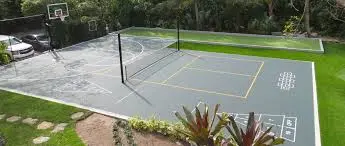
Small sports court construction design for limited space with modern flooring and compact game area setup.
sports blog

Common Sports Court Construction Mistakes in Dehradun

Common Mistakes to Avoid During Sports Court Construction in Dehradun Introduction Building a sports court is a major investment, whether you’re a school owner in Premnagar, a sports academy manager in Clement Town, a resort owner near Rajpur Road, or a luxury villa owner in Jakhan. A professionally constructed sports court can increase property value, attract more users, and provide years of high-performance gameplay. However, many sports court projects in Dehradun face issues such as waterlogging, surface cracks, poor drainage, uneven flooring, and expensive maintenance within just a few years of construction. Most of these problems occur because critical mistakes are made during the planning and construction phase. At YNextGen Sports Infra, a sports infrastructure division of YNextGen Private Limited, we have seen numerous sports court projects suffer due to avoidable errors. In this guide, we’ll explain the most common mistakes to avoid during sports court construction and how choosing the right contractor can save significant time and money. Why Proper Sports Court Construction Matters A sports court is not simply a concrete surface with painted lines. A professionally designed court ensures: Better player safety Longer surface lifespan Lower maintenance costs Consistent playing performance Weather resistance Professional appearance This becomes even more important in Dehradun, where heavy monsoon rainfall, moisture, and varying terrain conditions can significantly impact court durability. Mistake 1: Ignoring Site Drainage One of the biggest reasons sports courts fail in Uttarakhand is poor drainage planning. Areas such as Rajpur Road and surrounding hillside regions often experience heavy rainfall during monsoon season. Without proper drainage systems, water begins accumulating on the playing surface. Common Problems Waterlogging Surface cracking Moss and algae growth Slippery courts Premature flooring damage Solution Before construction begins, a professional site inspection should evaluate: Natural water flow Ground slope Soil conditions Drainage outlets Proper slope design and drainage channels can dramatically increase court lifespan. Mistake 2: Choosing the Wrong Sports Flooring Many facility owners choose flooring based solely on cost rather than performance. Different sports require different flooring systems. Recommended Flooring by Sport Sport Recommended Flooring Basketball Acrylic Flooring Pickleball Acrylic Flooring Tennis Acrylic / Synthetic Flooring Badminton Wooden or PVC Flooring Multi-Sports Court Acrylic or PP Interlocking Tiles Why It Matters Using the wrong flooring often results in: Poor ball bounce Player discomfort Increased injury risk Higher maintenance costs For outdoor courts in Dehradun, acrylic sports flooring is typically the preferred choice due to its weather resistance and durability. Mistake 3: Poor Base Construction Even the best sports flooring will fail if the base beneath it is weak. Many contractors rush through excavation and compaction to reduce project costs. Consequences Uneven surfaces Surface depressions Cracks Structural failure Best Practice A proper sports court should include: Soil compaction Sub-base preparation RCC or asphalt base Surface leveling A strong foundation is essential for long-term performance. Mistake 4: Hiring General Contractors Instead of Sports Court Specialists Not every civil contractor understands sports infrastructure. Sports courts require specialized knowledge regarding: Court dimensions Sports flooring systems Shock absorption Drainage Surface coatings What Can Go Wrong? Incorrect measurements Uneven playing surfaces Poor-quality finishing Frequent repairs Working with experienced sports court builders in Dehradun ensures compliance with international standards and better project outcomes. Mistake 5: Ignoring International Standards Many courts are built without following proper dimensions and specifications. For example: Basketball Court Standard Size: 28m x 15m Pickleball Court Standard Size: 20ft x 44ft Tennis Court Standard Size: 78ft x 36ft Incorrect dimensions affect gameplay and may prevent the facility from hosting tournaments or professional training sessions. Mistake 6: Choosing Cheap Materials Trying to save money during construction often becomes expensive later. Low-quality materials frequently result in: Color fading Surface peeling Water penetration Frequent resurfacing Areas Where Quality Matters Acrylic coatings Sports paints Flooring systems Fencing Basketball poles Lighting systems Investing in premium materials delivers better value over the long term. Mistake 7: Overlooking Lighting Requirements A large percentage of sports activities occur during evening hours. Poor lighting creates: Visibility issues Safety concerns Reduced court usage Recommended Solution Install sports-grade LED floodlights designed specifically for outdoor sports courts. This allows schools, academies, and residential communities to maximize facility utilization. Mistake 8: Neglecting Safety Features Many sports court projects focus only on the playing surface while ignoring player safety. Essential safety elements include: Court fencing Pole padding Protective barriers Non-slip surfaces Proper run-off areas These features reduce injuries and improve the overall playing experience. Mistake 9: Not Planning for Maintenance Even premium sports courts require regular maintenance. Without a maintenance plan, facilities often experience: Surface deterioration Faded markings Equipment damage Recommended Maintenance Schedule Activity Frequency Surface Cleaning Weekly Court Inspection Monthly Equipment Check Quarterly Marking Repainting As Needed Surface Resurfacing Every 5–7 Years Regular maintenance protects your investment and ensures consistent performance. Mistake 10: Underestimating Total Project Cost Many sports court projects exceed budget because owners only account for flooring costs. Additional expenses often include: Site preparation Drainage systems Lighting Fencing Sports equipment Maintenance A detailed project estimate from the beginning helps avoid unexpected costs later. Why Local Expertise Matters in Dehradun Sports court construction in Dehradun presents unique challenges that contractors from other regions may not fully understand. Local factors include: Heavy monsoon rainfall Hilly terrain Moisture exposure Temperature variations Drainage management requirements A local sports infrastructure company understands these challenges and designs solutions accordingly. Whether you’re developing a sports facility in Rajpur Road, Jakhan, Premnagar, Clement Town, Sahastradhara Road, or nearby areas, local expertise can significantly improve project quality and longevity. Why Choose YNextGen Sports Infra? YNextGen Sports Infra, a division of YNextGen Private Limited, specializes in professional sports court construction across Dehradun and Uttarakhand. Our services include: Basketball Court Construction Pickleball Court Construction Tennis Court Construction Badminton Court Construction Acrylic Sports Flooring Multi-Sports Court Development PP Interlocking Sports Tiles Artificial Turf Installation Sports Lighting & Fencing We combine technical expertise, premium materials, and local knowledge to deliver world-class sports infrastructure solutions. Conclusion Sports court construction is a long-term investment that requires proper planning, quality materials, and professional execution.

sports blog

How to Choose the Right Sports Flooring for Your Facility

How to Choose the Right Sports Flooring for Your Facility Introduction Choosing the right sports flooring is one of the most important decisions when developing a sports facility. Whether you are building a basketball court, pickleball court, tennis court, badminton court, multi-sports arena, school playground, or sports academy, the flooring you select directly impacts player performance, safety, maintenance costs, and the overall lifespan of the facility. With numerous sports flooring options available in the market, many facility owners struggle to determine which surface best suits their requirements. At YNextGen Sports Infra, a sports infrastructure brand of YNextGen Private Limited, we help schools, colleges, sports academies, resorts, residential societies, and government institutions choose the ideal sports flooring solution based on their budget, usage requirements, and long-term goals. This guide explains everything you need to know before selecting sports flooring for your facility. Why Sports Flooring Matters Sports flooring is much more than a playing surface. A properly designed sports floor provides: Better player safety Enhanced sports performance Reduced injury risk Improved ball bounce Weather resistance Long-term durability Lower maintenance costs Investing in the right flooring ensures maximum return on investment while creating a professional sports environment. Factors to Consider Before Choosing Sports Flooring 1. Type of Sport Different sports require different flooring characteristics. For example: Basketball requires consistent ball bounce and grip. Pickleball requires smooth and durable surfaces. Tennis demands controlled ball speed and player movement. Badminton benefits from cushioned flooring that reduces joint stress. Understanding the primary sport is the first step in selecting the right surface. 2. Indoor or Outdoor Facility Indoor and outdoor facilities require completely different flooring systems. Indoor Sports Flooring Common options: Wooden Flooring PVC Sports Flooring PU Flooring Benefits: Controlled environment Superior performance Longer lifespan Outdoor Sports Flooring Common options: Acrylic Flooring Synthetic Flooring PP Interlocking Tiles Benefits: Weather-resistant UV-protected Low maintenance 3. Budget Considerations Sports flooring should be selected based on both installation cost and lifecycle cost. A lower initial investment may result in higher maintenance expenses over time. Always evaluate: Installation cost Maintenance cost Expected lifespan Repair requirements The goal is to maximize long-term value rather than focusing solely on upfront expenses. Popular Types of Sports Flooring Acrylic Sports Flooring Acrylic flooring is one of the most widely used outdoor sports surfaces in India. Best For: Basketball Courts Tennis Courts Pickleball Courts Multi-Sports Courts Benefits: UV-resistant Slip-resistant Weatherproof Cost-effective Excellent durability Acrylic sports flooring is highly recommended for schools, colleges, and sports complexes. PU (Polyurethane) Sports Flooring PU flooring is a premium sports surface offering exceptional comfort and performance. Best For: Indoor Sports Facilities Professional Sports Arenas Training Centers Benefits: Shock absorption Player comfort Seamless finish Professional-grade performance PU flooring reduces impact on joints and improves athlete safety. Wooden Sports Flooring Wooden flooring remains the preferred choice for indoor basketball and badminton courts. Best For: Indoor Basketball Courts Badminton Courts Sports Halls Benefits: Superior ball bounce Premium appearance International-standard performance Although more expensive, wooden sports flooring provides an unmatched playing experience. PP Interlocking Sports Tiles Interlocking sports tiles are becoming increasingly popular for outdoor sports facilities. Best For: Basketball Courts Pickleball Courts School Playgrounds Community Sports Areas Benefits: Quick installation Easy maintenance Excellent drainage Long lifespan These modular tiles are highly durable and suitable for all-weather conditions. Synthetic Sports Flooring Synthetic flooring provides a balance between performance and durability. Best For: Multi-Sports Courts Schools Sports Academies Benefits: Comfortable playing surface Enhanced safety Versatile applications Best Flooring for Different Sports Basketball Court Flooring Recommended: Acrylic Flooring (Outdoor) Wooden Flooring (Indoor) PU Flooring (Professional Indoor) Pickleball Court Flooring Recommended: Acrylic Sports Flooring PP Interlocking Tiles Tennis Court Flooring Recommended: Acrylic Surface Synthetic Surface Badminton Court Flooring Recommended: Wooden Flooring PVC Sports Flooring Multi-Sports Court Flooring Recommended: Acrylic Sports Flooring Synthetic Sports Flooring PP Interlocking Tiles Common Mistakes When Choosing Sports Flooring Avoid these common errors: Choosing Based Only on Cost The cheapest option is rarely the best long-term investment. Ignoring Weather Conditions Outdoor courts require UV-resistant and weatherproof materials. Hiring Inexperienced Contractors Poor installation often results in: Surface cracks Water accumulation Uneven playing areas Neglecting Future Maintenance Always consider maintenance requirements before making a decision. Why Choose YNextGen Sports Infra? YNextGen Sports Infra is a leading sports infrastructure brand of YNextGen Private Limited specializing in: Basketball Court Construction Pickleball Court Construction Tennis Court Construction Badminton Court Flooring Multi-Sports Court Development Acrylic Sports Flooring PU Sports Flooring PP Interlocking Sports Tiles Artificial Turf Installation Our experienced team delivers customized sports flooring solutions designed for long-term performance, safety, and durability. Conclusion Choosing the right sports flooring is essential for creating a safe, durable, and high-performance sports facility. The ideal surface depends on the type of sport, location, budget, maintenance requirements, and expected usage. Whether you are developing a school sports facility, residential community court, sports academy, resort, or government project, selecting the right sports flooring ensures long-term success and maximum value. If you are planning a sports court construction project anywhere in India, consult the experts at YNextGen Sports Infra for professional guidance and turnkey sports infrastructure solutions. Contact YNextGen Sports Infra 📞 +91 8449088890 🌐 www.ynextgen.com 📍 Dehradun, Uttarakhand Building World-Class Sports Infrastructure Across India.

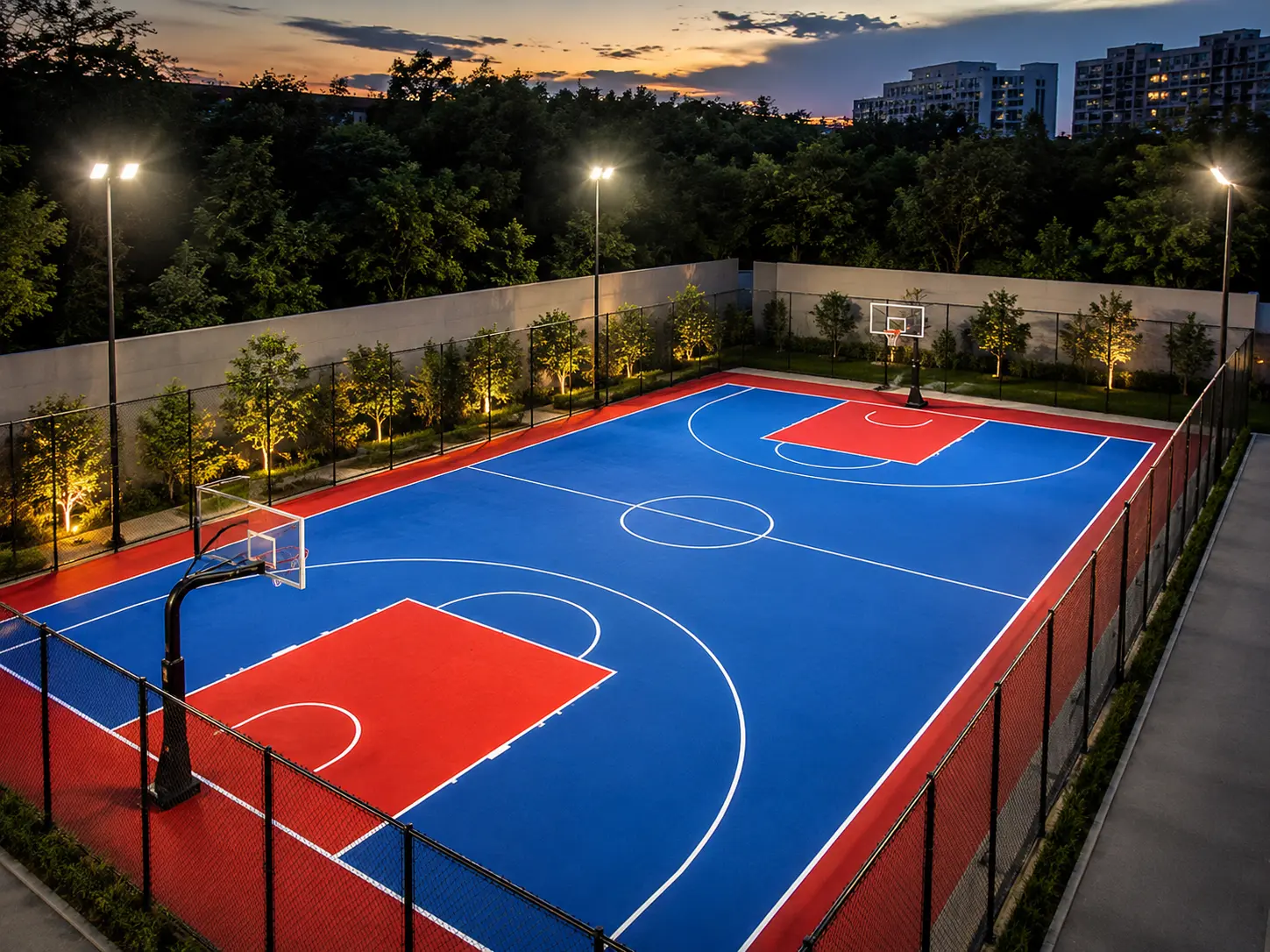
Premium outdoor basketball court with acrylic sports flooring, professional basketball hoops, perimeter fencing, and LED floodlights for day and night play.
sports blog

Professional Basketball Court Construction in Nashik

Basketball Court Construction in Nashik Introduction Basketball is rapidly gaining popularity across India, and Nashik has emerged as one of Maharashtra’s growing sports destinations. From schools and colleges to residential townships, sports academies, and government facilities, the demand for professional basketball court construction in Nashik is steadily increasing.Building a basketball court involves much more than creating a flat playing surface. It requires proper planning, site preparation, quality materials, drainage solutions, and professional installation to ensure durability, safety, and compliance with international standards. In this article, we’ll explore everything you need to know about basketball court construction in Nashik, including court types, construction methods, costs, and maintenance requirements. Why Build a Basketball Court in Nashik? Growing Sports Culture Nashik is witnessing increased participation in sports activities through schools, colleges, sports clubs, and residential communities. Year-Round Play Modern acrylic and synthetic basketball courts are designed to withstand varying weather conditions, making them suitable for year-round usage. Promotes Fitness and Teamwork Basketball is one of the best sports for improving cardiovascular health, coordination, teamwork, and overall fitness. Ideal for Educational Institutions Schools and colleges are increasingly investing in basketball courts to enhance sports infrastructure and student engagement. Increases Property Value A professionally constructed basketball court adds value to residential projects, sports complexes, clubs, and recreational facilities. Types of Basketball Courts in Nashik Choosing the right court surface is essential for performance, durability, and maintenance. Concrete Basketball Courts Most common for outdoor use. Benefits: Cost-effective Strong and durable Suitable for recreational use Limitations: Hard surface Higher risk of player injuries Can develop cracks over time Wooden Basketball Courts Preferred for indoor stadiums and professional competitions. Benefits: Excellent ball bounce Professional playing experience Attractive appearance Limitations: Higher installation cost Requires regular maintenance Acrylic Synthetic Basketball Courts The most preferred option for outdoor basketball courts in Nashik. Benefits: UV-resistant Anti-slip surface Weather-resistant Professional appearance Low maintenance Standard Basketball Court Dimensions According to FIBA standards: Full Court Size: 28m x 15m Half Court Size: 14m x 15m Free Throw Line: 4.6m from the backboard Three Point Line: 6.75m from the basket Rim Height: 3.05m Professional court markings are essential for competitive and recreational gameplay. Step-by-Step Basketball Court Construction in Nashik Site Selection and Preparation The selected site should offer: Proper drainage Easy accessibility Adequate playing space Good visibility and lighting Base Construction A strong foundation is critical for long-term durability. Common base options include: RCC Concrete Base Asphalt Base The base should be properly leveled and designed with adequate slope for water drainage. Surface Installation Popular flooring options include: Acrylic Sports Flooring Synthetic Sports Flooring Polyurethane Sports Surfaces Multiple layers are applied to ensure durability, grip, and player comfort. Court Marking Court lines are painted according to FIBA standards using weather-resistant sports paint. Accessories Installation Essential basketball court accessories include: Basketball Poles Backboards Hoops and Nets Protective Padding Optional additions: Fencing LED Floodlights Spectator Seating Team Benches Cost of Basketball Court Construction in Nashik The total cost depends on several factors: Court size Flooring material Site conditions Accessories required Approximate costs: Acrylic Sports Flooring ₹70 – ₹90 per sq. ft. Synthetic Sports Flooring ₹90 – ₹120 per sq. ft. Wooden Indoor Flooring ₹250 – ₹350 per sq. ft. 👉 A complete outdoor synthetic basketball court in Nashik generally costs between ₹8 lakh and ₹15 lakh, including base work, sports flooring, court markings, and accessories. Maintenance of Basketball Courts Regular maintenance helps maximize court lifespan. Recommended maintenance practices: Sweep and clean regularly Remove dust and debris Inspect surface for cracks Repaint markings when required Check basketball poles and nets periodically Synthetic courts typically require resurfacing every 5–7 years depending on usage. Challenges in Basketball Court Construction in Nashik Weather Conditions Nashik experiences: High summer temperatures Seasonal rainfall UV exposure Weather-resistant sports flooring is essential for long-term durability. Drainage Issues Improper drainage can cause water accumulation and damage the playing surface. Poor Construction Quality Hiring inexperienced contractors often leads to uneven surfaces, poor finishing, and higher maintenance costs. Choosing experienced sports infrastructure specialists ensures long-lasting results. Why Choose YNextGen Sports Infra? YNextGen Sports Infra specializes in professional basketball court construction across Nashik and Maharashtra. Our services include: Basketball Court Construction Acrylic Sports Flooring Multi-Sports Court Development Pickleball Court Construction Tennis Court Construction Sports Infrastructure Solutions Fencing and Lighting Installation We deliver durable, high-performance sports facilities built to international standards. Conclusion Basketball court construction in Nashik is becoming increasingly popular as schools, colleges, sports clubs, and residential communities invest in modern sports infrastructure. Whether you’re planning a half-court for a residential society or a professional basketball facility for a sports academy, selecting the right materials and experienced construction partner is crucial for long-term success. A professionally designed basketball court not only enhances sports participation but also creates lasting value for your institution or community. Contact YNextGen Sports Infra 📞 +91 8449088890 🌐 www.ynextgen.com 📍 Serving Nashik, Maharashtra & Across India Build world-class basketball courts with YNextGen Sports Infra.

sports blog

Pickleball Boom in India: Why the Sport is Growing Faster Than Ever

India’s sports landscape is evolving rapidly, and one sport is emerging as the biggest surprise success story of the decade: Pickleball. Once considered a niche recreational activity, pickleball has transformed into one of the fastest-growing sports in India. From residential societies and schools to sports clubs, corporate campuses, and dedicated sports facilities, pickleball courts are appearing across the country at an unprecedented pace. For sports infrastructure companies, investors, educational institutions, and sports enthusiasts, this growth represents a major opportunity. What is Pickleball? Pickleball is a paddle sport that combines elements of tennis, badminton, and table tennis. It is played on a smaller court using solid paddles and a lightweight perforated ball. The game can be played in singles or doubles formats and is suitable for players of all ages and skill levels. (Wikipedia) The sport’s simplicity, accessibility, and social nature have contributed significantly to its rapid adoption worldwide. The Pickleball Revolution in India Over the last few years, India has witnessed remarkable growth in pickleball participation. Industry reports indicate that the number of dedicated pickleball courts has grown from approximately 200 courts in early 2024 to more than 1,200 operational courts by 2025–2026. Active participation has increased dramatically, with player numbers rising from around 60,000 in 2024 to more than 150,000 players in 2026. (India Brand Equity Foundation) The Indian pickleball market is projected to reach approximately ₹7,500 crore by 2030, making it one of the fastest-growing sports sectors in the country. (LinkedIn) Why Pickleball Is Growing So Fast 1. Easy to Learn Unlike many traditional sports that require years of training, pickleball can be learned quickly. Beginners can start enjoying the game within a few sessions, making it attractive to families, working professionals, and recreational players. 2. Suitable for All Age Groups One of pickleball’s biggest strengths is inclusivity. Children, adults, and senior citizens can all participate comfortably. This broad appeal has helped the sport gain popularity in residential communities and clubs. 3. Lower Infrastructure Cost Compared to tennis courts, pickleball courts require less space and lower investment. Organizations can often convert existing sports areas into pickleball courts, making adoption easier and more cost-effective. (Playo) 4. Growing Community Culture Pickleball is highly social. Players frequently participate in community events, leagues, and tournaments, creating a strong ecosystem that encourages repeat participation and club memberships. 5. Corporate and Institutional Interest Schools, universities, residential societies, sports academies, and corporate organizations are increasingly adding pickleball facilities to attract users and improve recreational offerings. (The Economic Times) Infrastructure Demand Is Driving Growth The biggest factor behind pickleball’s expansion is infrastructure development. The rise in participation has created strong demand for: Dedicated pickleball courts Multi-sport facilities Sports club expansions Community recreation spaces School sports infrastructure Corporate wellness facilities Government sports projects Industry estimates suggest India may require thousands of additional courts over the next few years to meet growing demand. (India Brand Equity Foundation) This presents a significant opportunity for sports infrastructure developers. The Rise of Pickleball in Tier-2 and Tier-3 Cities Initially concentrated in major metros such as Mumbai, Delhi, Bengaluru, Hyderabad, and Ahmedabad, pickleball is now expanding rapidly into smaller cities. Experts believe Tier-2 and Tier-3 cities offer tremendous growth potential because of: Greater land availability Lower development costs Increasing sports awareness Growing middle-class participation Market forecasts suggest continued strong growth through the decade. (LinkedIn) Why Schools Should Invest in Pickleball Courts Educational institutions are increasingly recognizing the value of pickleball. Benefits include: Student Engagement The sport is easy to introduce and encourages regular participation. Multi-Age Usability Students across different age groups can use the same facility. Cost-Effective Infrastructure A pickleball court requires less space than many traditional sports facilities. Skill Development Students improve coordination, reflexes, fitness, teamwork, and strategic thinking. Residential Societies Are Embracing Pickleball Modern housing communities are constantly searching for amenities that improve resident satisfaction. Pickleball offers: Community engagement Family-friendly recreation Health and fitness benefits Efficient use of available space Increased property attractiveness Many new residential developments are now considering pickleball courts as a premium lifestyle amenity. Corporate Wellness and Pickleball Corporate organizations are investing heavily in employee wellness programs. Pickleball provides: Stress relief Team building opportunities Employee engagement Physical fitness Social interaction Dedicated pickleball courts are becoming a valuable addition to corporate campuses and employee recreation zones. Building a Professional Pickleball Court A professional pickleball court requires careful planning and execution. Key components include: Site Assessment Evaluating terrain, drainage, and space availability. Surface Preparation Proper foundation work ensures long-term durability. Acrylic Sports Flooring High-quality acrylic systems improve performance and safety. Court Markings Accurate markings ensure compliance with standards. Lighting Installation LED sports lighting enables evening play. Fencing Solutions Perimeter fencing improves safety and ball containment. Accessories Professional nets, posts, and equipment complete the facility. Safety and Surface Quality Matter As participation increases, experts emphasize the importance of proper court construction. Poorly designed or hard surfaces may increase the risk of injuries, making quality sports flooring and professional installation essential for long-term player safety. (www.ndtv.com) For this reason, choosing experienced sports infrastructure professionals becomes critical. The Future of Pickleball in India The future looks exceptionally promising. Several indicators suggest continued growth: Rapid increase in court construction Expansion into smaller cities Professional leagues and tournaments Corporate investments Government support for sports infrastructure Rising participation across all age groups Industry forecasts indicate that India could see millions of players and thousands of dedicated courts within the next decade. (India Brand Equity Foundation) How YNextGen Sports Infra Supports the Pickleball Movement At YNextGen Sports Infra, we specialize in designing and constructing high-quality pickleball courts tailored to the needs of schools, clubs, residential communities, corporate campuses, government institutions, and sports academies. Our services include: Pickleball Court Construction Acrylic Sports Flooring Court Marking Solutions Sports Lighting Installation Fencing and Safety Infrastructure Turnkey Sports Facility Development As pickleball continues its incredible rise across India, investing in world-class infrastructure today will help create the next generation of players, communities, and sporting success stories.

📄 Download Brochure
error: Content is protected !!
Scroll to Top